What Is California’s Statewide Earthquake Early Warning System?
Earthquake Warning California stands as the nation’s first publicly available, statewide early warning system.
Its primary purpose is to provide residents with crucial seconds to take cover before they feel the shaking.
This brief window of time allows individuals to prepare for the imminent arrival of seismic activity.
The system is managed by the Governor’s Office of Emergency Services, commonly known as Cal OES.
It relies on a network of ground motion sensors located across the state.
These sensors are designed to detect earthquakes before humans can physically feel them.
By identifying seismic activity early, the system can notify Californians in advance of an earthquake.
The notification process encourages residents to follow the standard safety protocol: “Drop,
Cover and Hold On.” This instruction is delivered before the shaking begins, giving people a moment to secure themselves.
The evidence confirms that the system uses these sensors to detect events prior to human perception.
It does not specify the exact number of seconds provided or the specific types of devices used for notification.
Key components of the system include:
- Statewide ground motion sensors
- Management by Cal OES
- Pre-shaking detection capabilities
- Advance notification for safety actions
The provided evidence does not confirm specific technical details about the sensor technology or the exact latency of the alerts.
It also does not detail the user interface or the specific channels through which notifications are sent.
The focus remains on the system’s role as a statewide, publicly available tool for early detection and warning.
This system represents a significant infrastructure for public safety in California.
By leveraging sensor data, it aims to mitigate the immediate impact of earthquakes.
The core function is to bridge the gap between the start of an earthquake and the arrival of felt shaking.
Residents are advised to be aware of this system and understand the recommended actions.
The evidence supports the existence and basic operation of the system but lacks granular data on its performance metrics or historical usage.
In summary, Earthquake Warning California is a state-managed network that detects seismic activity before it is felt.
It serves to alert the public so they can take protective measures.
The system is a critical part of California’s emergency preparedness efforts.
While the specific technical specifications are not detailed in the provided evidence, its function as a pre-shaking warning tool is clear.
How the Warning System Detects an Event and Sends Alerts
The California Earthquake Early Warning system relies on a network of sensors that feed data into the statewide warning platform.
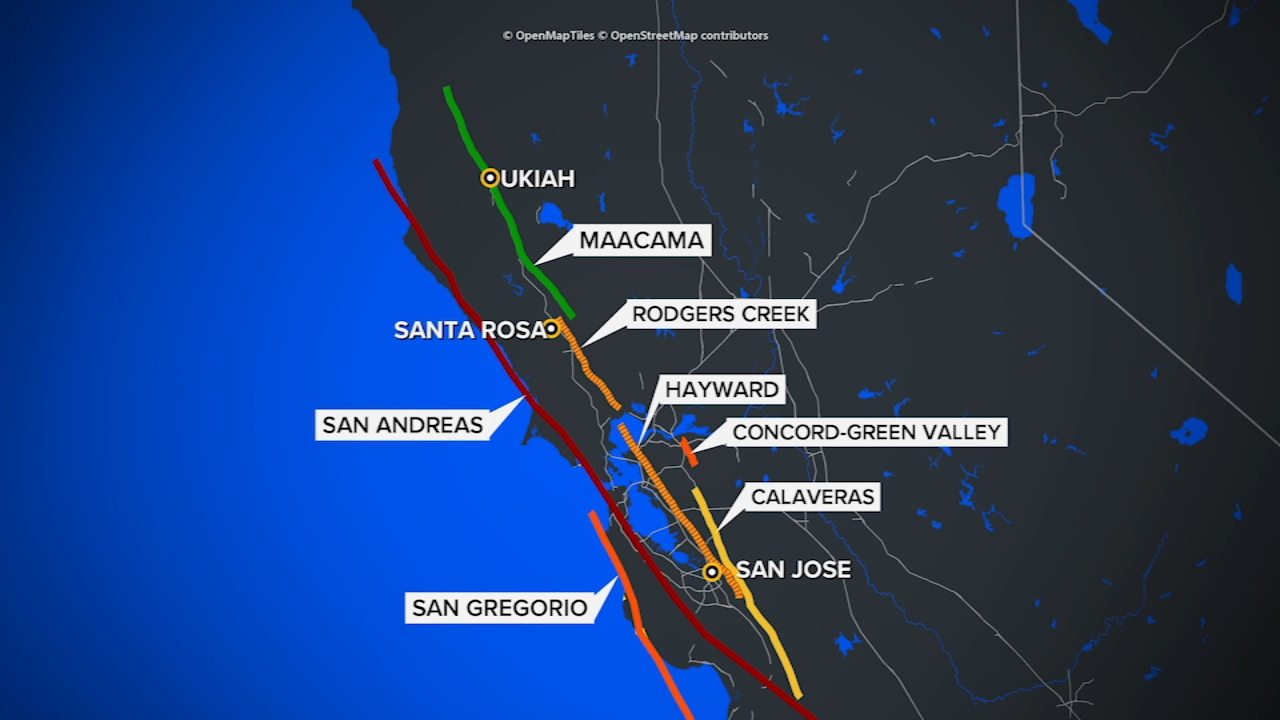
When ground motion exceeds preset thresholds,
the platform generates a WEA (Warning Earthquake Alert) and instantly pushes the alert to compatible devices.
Android users receive the alert through the built‑in Android Earthquake Alerts service,
while anyone with the MyShake mobile app can see the same warning on their phone or tablet.
The “How It Works” icon on the official website summarizes the underlying science and technology: rapid detection of seismic waves,
real‑time processing of sensor data, and automated distribution of alerts via the state’s communication infrastructure.
These components work together to deliver a warning seconds before strong shaking arrives at a given location.
Key elements of the detection‑to‑alert flow include:
- Sensor network – continuously monitors ground motion across the state.
- Data processing – algorithms evaluate the signal and determine if an event meets alert criteria.
- Alert distribution – WEAs are sent to Android devices and the MyShake app simultaneously.
Recent Real‑World Alerts: The June 2025 Mendocino Quake
On the morning of June 24, 2025, a significant seismic event triggered widespread emergency notifications across Northern California.
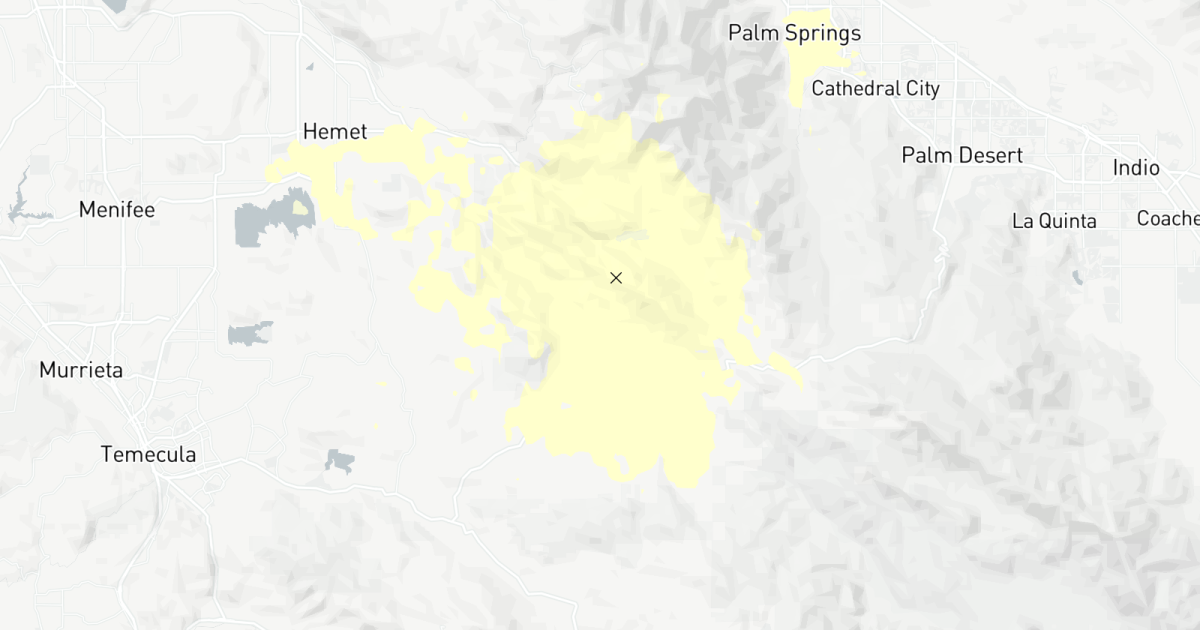
The incident centered on a magnitude 5. 6 earthquake that struck in Mendocino County.
This geological activity activated the state’s early warning infrastructure,
resulting in ShakeAlerts being dispatched to a vast number of residents.
The reach of these alerts was extensive. More than one million people received the warning on their devices.
The geographic scope of the notification extended well beyond the immediate epicenter.
While the quake originated in the north, the alert system reached users as far south as Modesto.
This demonstrates the broad coverage area of the warning network during a moderate-magnitude event.
Key details from the event include:
- Date: June 24, 2025
- Location: Mendocino County, Northern California
- Magnitude: 5.6
- Alert System: ShakeAlerts
- Recipients: Over 1 million people
- Southern Reach: Modesto
The primary outcome documented was the successful dissemination of alerts to this large population.
The system identified the seismic activity and broadcast warnings to devices in the affected regions.
The report from KOVR-TV in Sacramento highlighted the scale of the notification,
emphasizing that the alerts reached millions across the northern part of the state.
There is no confirmed information regarding structural damage, injuries, or specific economic losses resulting from this particular quake.
The available evidence focuses solely on the activation of the warning system and the number of people notified.
It does not provide details on the depth of the earthquake, the specific timing of the alerts relative to the shaking,
or public reaction to the warnings.
The focus remains on the operational aspect of the California Earthquake Early Warning system during this specific June 2025 event.
Getting Prepared: Resources for Residents, Businesses, and Schools
California residents, business owners,
and educators can access specific earthquake preparation resources through the state’s official portal.
The website earthquake. ca.
gov serves as a central hub for information related to the California Earthquake Early Warning system and general preparedness.
It is designed to support various groups, including individual households, commercial entities, and school districts.
The platform provides guidance on how to get ready for seismic events,
ensuring that different sectors of the community have access to relevant materials.
The resources are categorized to address the unique needs of different audiences.
For residents, the materials focus on personal and household safety measures.
Businesses can find information tailored to maintaining operational continuity and protecting employees.
Educators and schools have access to specific tools and guidance for managing safety in educational settings.
This targeted approach helps ensure that the information is practical and applicable to each group’s daily operations.
Key areas of focus include:
- Residents: Guidance on personal safety and home preparation.
- Businesses: Resources for workplace safety and business continuity.
- Educators: Materials for schools and educational institutions.
The portal is part of the broader California Earthquake Early Warning information ecosystem.
It aims to provide clear, accessible, and actionable advice for those living and working in the state.
By centralizing these resources, the state helps streamline the process of finding reliable information.
Users can navigate the site to find specific sections dedicated to their role, whether as a homeowner, a manager, or a teacher.
It is important to note that the specific details of the resources, such as downloadable guides, checklists, or interactive tools,
are not detailed in the provided evidence.
The evidence confirms the existence of a dedicated section for preparation resources for these groups but does not list specific documents or features.
Therefore, users should visit the official website to explore the available materials.
The site remains the primary source for up-to-date information on earthquake preparedness in California.