What Is Earthquake Prediction?
Earthquake prediction is the scientific effort to forecast the timing, location, and magnitude of future seismic events.
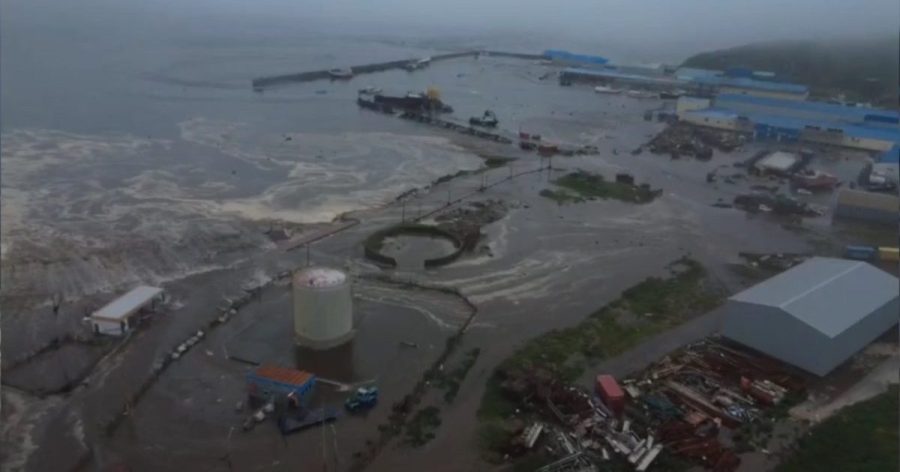
The term specifically refers to the ability to determine when an earthquake will occur, where it will strike, and how large it will be.
This definition comes from the PNSN. org seismology education resources, which outline the core objectives of the field.
The science of earthquake prediction is still developing.
According to Wikipedia’s overview of earthquake prediction,
the discipline has not yet achieved a successful prediction based on first‑principles physics.
Researchers continue to refine models and gather data,
but no method has reliably forecasted an earthquake’s exact parameters before it happens.
Why Predictions Often Fail
Psychic enthusiasts and pseudo‑scientists frequently tout their ability to forecast earthquakes,

claiming past successes that capture public imagination.
However, these assertions are not grounded in empirical data or a scientifically coherent model of seismic activity.
The lack of verifiable evidence means that any reported “successes” are anecdotal at best and cannot be replicated or validated through rigorous testing.
Without a solid understanding of the physical processes that generate earthquakes—such as stress accumulation along fault lines,
plate tectonics, and seismic wave propagation—predictions remain speculative.
Consequently, the predictions that do circulate are prone to error, over‑optimism, and a failure to account for the complex,
chaotic nature of the Earth’s crust.
This disconnect between claim and scientific reality explains why most earthquake forecasts fail to deliver reliable warnings.
Current Scientific Approaches
Research into earthquake prediction methods primarily relies on empirical analysis.
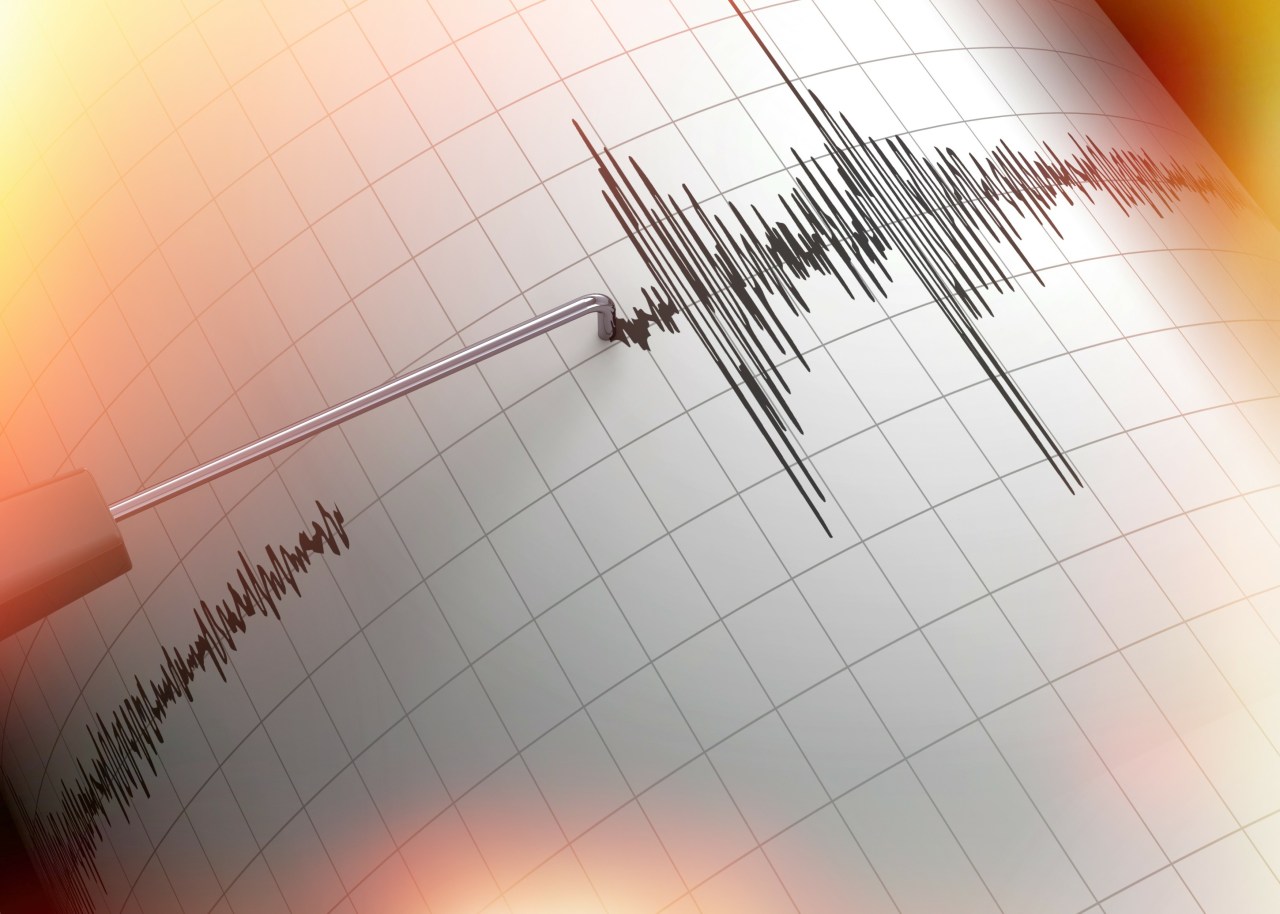
Scientists generally pursue two distinct approaches to understand and potentially forecast seismic events.
The first approach involves identifying distinctive precursors that may signal an impending earthquake.
These precursors are specific physical or chemical changes in the Earth’s crust that occur before a major rupture.
Researchers monitor these subtle shifts to determine if they can serve as reliable warning signs.
The second approach focuses on identifying geophysical trends or patterns in seismicity.
This method examines the history and behavior of smaller earthquakes to detect patterns that might precede a larger event.
By analyzing the frequency, magnitude, and location of minor seismic activity,
scientists look for anomalies or clusters that could indicate stress accumulation along a fault line.
Both strategies aim to find consistent signals that distinguish normal background seismic noise from the specific conditions leading to a major quake.
However,
the effectiveness of these methods depends heavily on the ability to distinguish true precursors from random fluctuations in seismic activity.
Empirical analysis requires extensive data collection and rigorous statistical evaluation to validate any observed patterns.
It is important to note that the current scientific consensus does not confirm a reliable,
universal method for short-term earthquake prediction.
While these two approaches—identifying precursors and analyzing seismicity patterns—form the basis of ongoing research,
they have not yet yielded a predictive tool with consistent accuracy.
The complexity of the Earth’s crust and the variability of seismic events make it difficult to establish definitive causal links between observed phenomena and future earthquakes.
Consequently,
much of the current work remains focused on understanding the underlying mechanisms rather than providing actionable forecasts.
The field continues to evolve as new data becomes available and analytical techniques improve.
Real‑World Impact of a Recent 5‑Magnitude Event
The available evidence presents a stark and isolated statistic regarding seismic activity.
According to the provided data, a magnitude-5 earthquake occurred last month.
The reported impact of this specific event was severe, with the claim that it killed thousands of people.
This figure stands in sharp contrast to typical expectations for a magnitude-5 tremor. In seismology, a 5.
0 magnitude event is generally considered moderate.
While such quakes can cause damage to poorly constructed buildings and result in minor injuries,
they rarely produce mass casualties on the scale of thousands.
Fatalities from magnitude-5 earthquakes are usually limited to a handful of individuals,
often due to structural collapses in vulnerable areas or secondary hazards like landslides.
The assertion that a single magnitude-5 event resulted in thousands of deaths suggests either a catastrophic failure of infrastructure in a densely populated area,
a significant misreporting of the magnitude, or a conflation with a much stronger seismic event.
The source context for this data point is notably unrelated to disaster reporting.
The information originates from an article discussing public housing pathways made from wine corks in Brooklyn.
This disconnect raises questions about the verification of the seismic claim.
The evidence card does not provide details on the location of the earthquake, the specific date beyond “last month,
” or the nature of the casualties.
It also lacks any mention of rescue operations, economic damage, or official statements from geological surveys.
Without additional corroborating data, the claim remains an unverified outlier.
Standard seismic models do not support the idea that a magnitude-5 quake typically kills thousands.
Readers should treat this statistic with caution, as it may be an error in data entry or a misunderstanding of the event’s scale.
The lack of contextual details prevents a deeper analysis of the event’s real-world impact.
What the Future Holds for Prediction Accuracy
Earthquake prediction remains a complex challenge,
and current research underscores that seismic activity is unrelated to many everyday phenomena.
For instance, studies confirm that earthquakes have nothing to do with clouds, bodily aches and pains, or slugs.
This clear separation of seismic triggers from common environmental or biological factors helps scientists focus on geological processes rather than unrelated variables.