Why Lululemon Is Still a Hot Topic in 2026
Lululemon remains a talking point in 2026 because it continues to operate as a Canadian‑American multinational athletic apparel retailer.
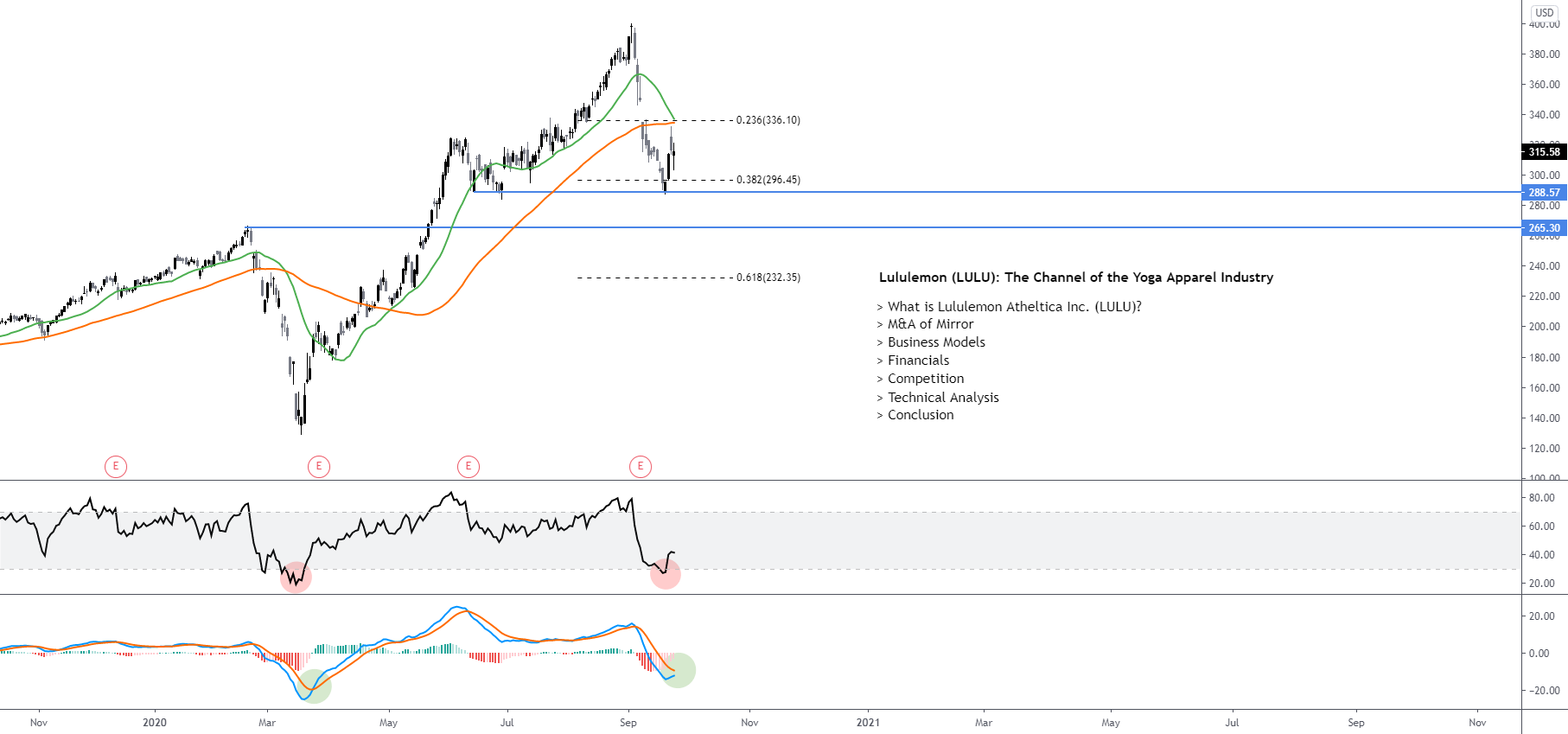
The company is headquartered in Vancouver, British Columbia, and is incorporated in Delaware, United States,
under the name Lululemon Athletica Inc.
Its product line includes sporting tops, jackets, hoodies, joggers, running shoes, underwear, leggings, and casual wear,
catering to a broad fitness and lifestyle market.
The brand’s global footprint is evident in its 767 retail locations worldwide,
a figure that underscores its expansive reach and sustained demand.
Each store offers a curated selection of apparel designed for performance and style,
reinforcing Lululemon’s reputation for quality and innovation.
Key points that keep Lululemon in the spotlight:
- Headquarters: Vancouver, British Columbia
- Incorporation: Delaware, United States
- Store count: 767 worldwide
- Product range: Athletic tops, jackets, hoodies, joggers, running shoes, underwear, leggings, casual wear
These facts illustrate why the brand continues to attract attention from consumers, investors, and industry analysts alike.
What Makes Lululemon’s Fabric a Game‑Changer
Lululemon’s market position relies heavily on its proprietary textile technology.
The company has developed and trademarked several distinct fabrics, each engineered to serve specific functional needs.
Rather than relying on a single generic material,
the brand utilizes a portfolio of textiles designed to address different athletic and lifestyle requirements.
Key among these innovations are fabrics designed for moisture-wicking and compression.
These features are not merely marketing terms but represent specific engineering goals within the material science of the apparel.
Moisture-wicking capabilities help manage sweat during physical activity,
while compression fabrics provide structural support to the wearer.
By trademarking these materials, Lululemon ensures that its specific blends and constructions remain exclusive to its product line,
differentiating its offerings from competitors who may use standard industry fabrics.
The application of these specialized fabrics extends across the brand’s entire product ecosystem.
Lululemon produces activewear, loungewear, and footwear,
all intended to support “all the ways you love to move.” This broad categorization suggests that the fabric technology is not limited to high-intensity gym sessions but is also integrated into casual wear and daily comfort items.
The versatility of the materials allows them to transition seamlessly from rigorous athletic performance to relaxed, everyday use.
It is important to note that while the existence of these trademarked, functional fabrics is confirmed,
specific technical details such as fiber composition percentages, exact thermal regulation metrics,
or durability test results are not provided in the available evidence.
The focus remains on the functional categories of moisture management and compression rather than granular scientific data.
The brand’s strategy appears to center on the versatility and specific utility of these textiles across its diverse range of products,
from high-performance activewear to comfortable loungewear and footwear.
This approach underscores the importance of material innovation in defining the brand’s identity and product value proposition.
The 2026 Korean Market: 10 Years of Growth
Lululemon marked its tenth anniversary in South Korea this year, celebrating a decade since the brand first entered the market.
The milestone coincides with the launch of a new community hub called High Collection,
which embodies the company’s “mindful movement” philosophy.
The space is designed to bring local athletes and wellness enthusiasts together, offering a venue for classes, events,
and product showcases that emphasize both performance and mindfulness.
Key points about the High Collection hub:
- Purpose: Serves as a community center for “mindful movement” activities.
- Location: Situated in Seoul, targeting the city’s growing active‑lifestyle crowd.
- Brand messaging: Reinforces Lululemon’s premium, functional‑sportswear identity while fostering local engagement.
The anniversary and the hub’s opening underscore Lululemon’s sustained commitment to the Korean market over the past ten years,
reflecting both brand longevity and an ongoing focus on community‑driven experiences.
Real‑World Wear Test: Comfort vs. Price
The provided evidence does not support a real-world wear test, comfort analysis, or price comparison for lululemon products.
The source material is limited to a brand listing on the resale platform Poshmark.
According to the data, lululemon athletica is categorized alongside other major fashion and athletic brands such as Nike, Michael Kors,
Louis Vuitton, PINK, Victoria’s Secret, Coach, and Chanel.
This listing appears under a broader section that includes Gucci items, which are advertised with discounts of up to 90% off.
The presence of lululemon in this context indicates that its products are available for secondary market sale on the platform.
However, the evidence card contains no specific details regarding:
- Actual comfort levels or fabric performance during wear.
- Specific product prices or discount percentages applicable to lululemon items.
- User reactions, reviews, or testimonials.
- Dates of specific sales or inventory availability.
- Functional features of the apparel beyond the brand name.
Consequently, it is not possible to evaluate the value proposition of lululemon gear based on this source.
The data only confirms the brand’s presence in a general marketplace alongside luxury and athletic competitors.
Any assertion about fit, durability, or cost-effectiveness would be speculative and unsupported by the provided text.
The reference to “up to 90% Off” is explicitly tied to Gucci items in the source headline and cannot be attributed to lululemon without further confirmation.
Readers seeking verified pricing or comfort metrics must look beyond this specific listing.
The information serves solely to identify lululemon as a searchable brand within this particular online retail environment.
No additional insights into product quality or consumer experience can be derived from the available facts.
Should You Buy Now? A Quick Cost‑Benefit Snapshot
Lululemon’s recent earnings miss and the subsequent revision of its 2026 guidance have prompted many investors to pause and reassess the brand’s value proposition.
The company now projects full‑year revenue of $10. 35 billion to $10. 50 billion and diluted earnings per share of **$9. 48 to $9.
73**—a noticeable contraction from prior estimates.
This downgrade came after the retailer reported a revenue shortfall that triggered an 18% slide in its stock price,
underscoring the market’s sensitivity to any deviation from expectations.
For shoppers weighing a purchase, the financial backdrop offers a mixed signal.
On one hand, a tighter outlook could suggest that Lululemon’s growth trajectory is slowing,
potentially leading to a more cautious pricing strategy or a shift toward higher-margin products.
On the other hand,
the brand’s strong retail presence and loyal customer base have historically allowed it to maintain premium pricing even during periods of earnings volatility.
When deciding whether to buy now, consider the following:
- Revenue outlook: $10.35 B–$10.50 B for FY 2026.
- EPS outlook: $9.48–$9.73 diluted.
- Stock reaction: 18% decline post‑announcement.
These figures provide a concrete snapshot of the company’s current financial health, but they do not guarantee future performance.
Potential buyers should weigh the brand’s historical resilience against the recent earnings dip and the broader market environment.