Why Stella Parton Is Calling Out the Flood of AI‑Generated Tributes
Stella Parton’s recent social‑media outcry comes amid a broader trend of families of late celebrities—such as those of Robin Williams,
Martin Luther King Jr., and Robert Redford—speaking out against insensitive AI‑generated tributes.
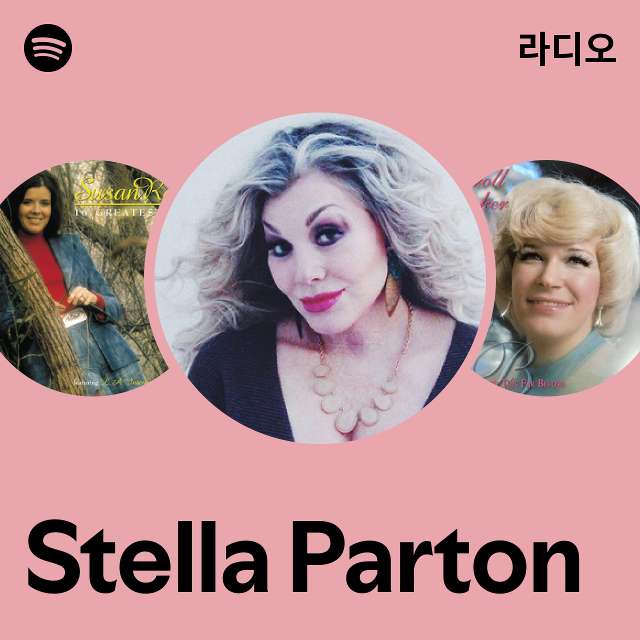
After Dolly Parton’s death at age 80, Stella publicly condemned the surge of “fake AI garbage” online,
urging fans to show compassion rather than exploitation during the family’s period of grief.
She called the content “fake AI garbage” and urged supporters to focus on respectful remembrance instead of digital mimicry.
This stance aligns with other celebrity families who have criticized the use of artificial intelligence to create posthumous performances or likenesses without consent.
The backlash highlights concerns about authenticity, consent, and the emotional impact on grieving relatives.
While the broader conversation continues,
Stella’s plea underscores the need for sensitivity when handling the legacies of beloved public figures.
What the AI‑Generated Content Looks Like and Who’s Involved
Social media was quickly saturated with synthetic tributes after Dolly Parton’s death.
The content ranged from AI‑crafted images that public figures, including President Trump, shared, to unauthorized,
computer‑generated tribute songs that mimicked the voices of artists such as Miley Cyrus, Pink, and Celine Dion.
These fabricated pieces were posted by a mix of well‑known personalities and anonymous users,
all contributing to a wave of “fake AI garbage” that many fans found disconcerting.
The backlash was swift.
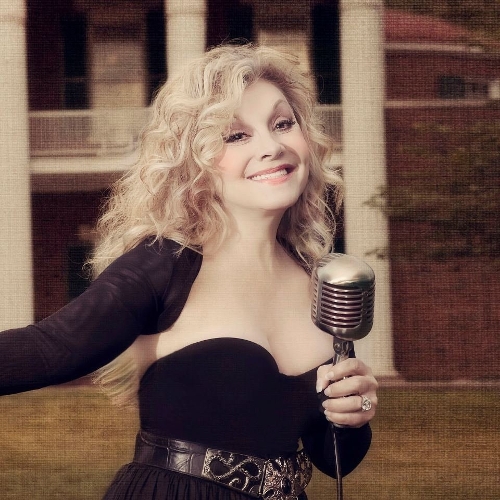
Dolly’s sister, Stella Parton, publicly denounced the spread of these AI‑generated posts,
calling them “fake AI garbage” and urging people to stop sharing them.
In a related incident, a Getty Images photo from 2015 shows Dolly and Stella together at an event,
a genuine snapshot that contrasts sharply with the synthetic material circulating online.
The image underscores the authenticity of the family’s public appearances and highlights the stark difference between real and fabricated content.
The Broader Implications for Online Grief and Digital Ethics
The wave of tributes to Dolly Parton has been marred by a surge of AI‑generated content and insensitive social media posts about her death.
This influx of unfiltered, often misleading material has prompted Dolly’s sister, Stella Parton,
to publicly call out what she describes as “garbage” posts.
Stella’s remarks highlight the growing tension between heartfelt mourning and the rapid spread of digital misinformation.
The situation underscores how online grief can be distorted by automated content and the responsibility of public figures to address it.