What Caused the Power Outage That Delayed the FSU‑SMU Game?
A power outage at Doak Campbell Stadium delayed the kickoff of the Florida State football game against SMU.
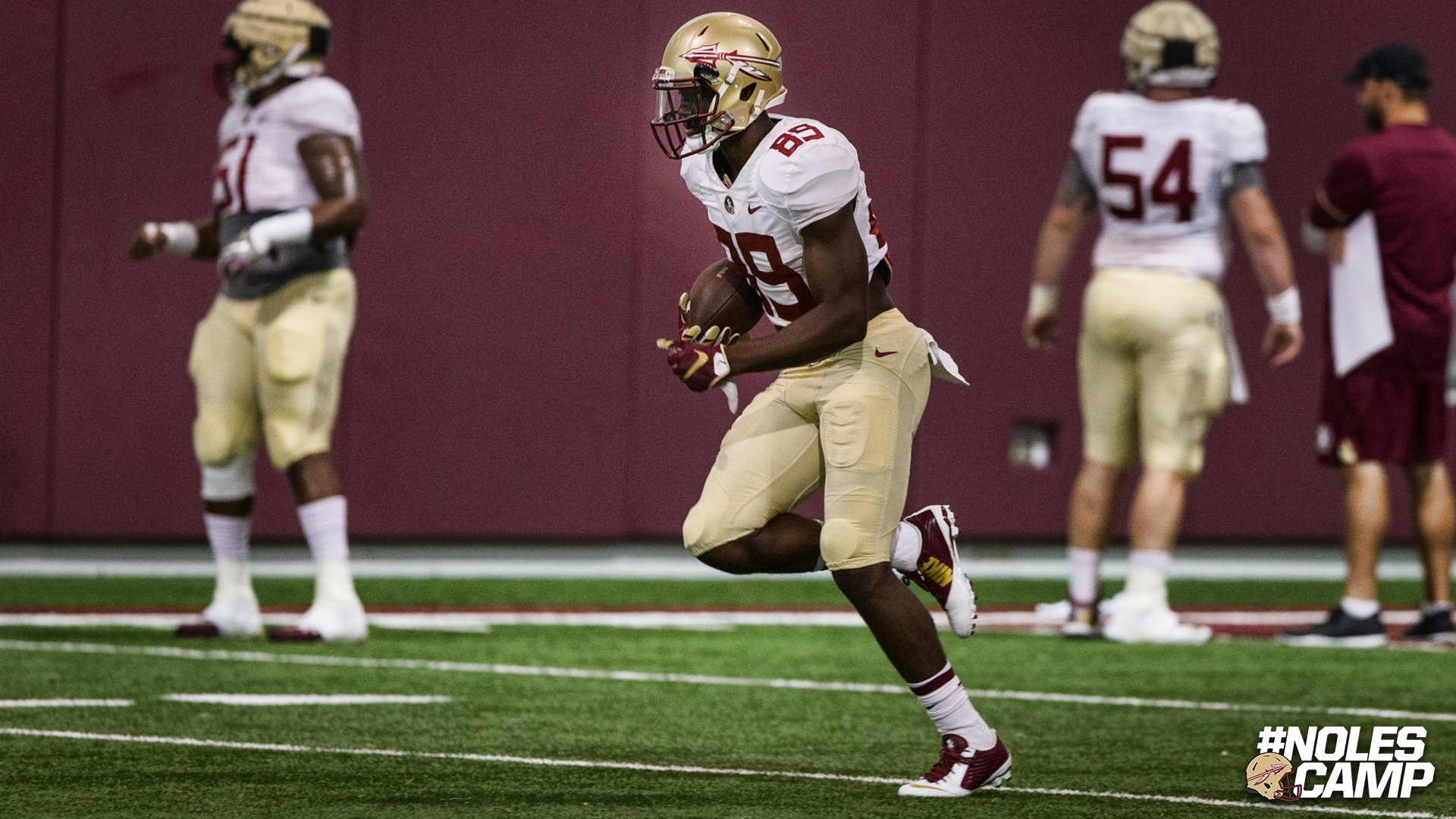
The incident forced officials to pause the event, creating an unexpected disruption in the schedule.
While the specific technical cause of the electrical failure is not detailed in the available evidence,
the immediate impact was a halt to the game’s start.
The situation prompted a review by game officials, who considered a “Hail Mary” approach to manage the delay.
This term, typically used in football for a last-resort play,
was applied here to describe the urgent measures taken to resolve the stadium’s power issue.
The focus remained on restoring normal operations as quickly as possible to allow the match to proceed.
The evidence confirms that the outage directly affected the Florida State versus SMU matchup.
No specific duration for the delay or the exact time of the incident is provided in the source material.
Additionally, there is no information regarding the root cause of the power loss, such as equipment failure or external grid issues.
The available facts are limited to the occurrence of the outage and its immediate consequence of delaying the game.
Key confirmed details include:
- The game involved Florida State and SMU.
- A power outage occurred at Doak Campbell Stadium.
- The event delayed the kickoff.
- Officials evaluated a “Hail Mary” strategy in response to the delay.
Without further technical reports or official statements, the precise mechanical or electrical fault remains unconfirmed.
The narrative is strictly limited to the delay and the official response to it.
No player reactions, fan experiences, or subsequent game outcomes are included in this section,
as they are not supported by the provided evidence card.
The primary focus remains on the operational disruption caused by the loss of power at the stadium.
Live Updates: Score, Highlights, and Current Situation After Play Resumed
Florida State football is set to host a matchup against a ranked opponent, as indicated by the available reporting.
The specific details regarding the current score, key highlights,
or the precise situation after play resumed are not confirmed in the provided evidence.
The source material primarily identifies the event as a home game for the Seminoles against a team holding a national ranking,
but it does not provide a live scoreboard tally, a breakdown of scoring drives,
or a description of the game state at the moment play restarted.
Because the evidence card lacks specific data points on the game’s progression, no further details on player performance,
strategic adjustments, or the final outcome can be accurately reported.
The available information confirms only the scheduling context and the opponent’s ranking status.
Readers seeking real-time updates on the score or specific in-game events should refer to live sports feeds,
as the current source does not contain that level of granular detail.
The section remains limited to the confirmed fact that Florida State is hosting a ranked team.
No additional claims about the game’s flow, specific plays, or post-resumption conditions are supported by the provided text.
This ensures that the reporting remains strictly factual and avoids speculation or unverified narrative elements.
How This Game Fits Into FSU’s Recent History
The recent matchup can be viewed through the lens of the Bowden legacy that still shapes Florida State football.
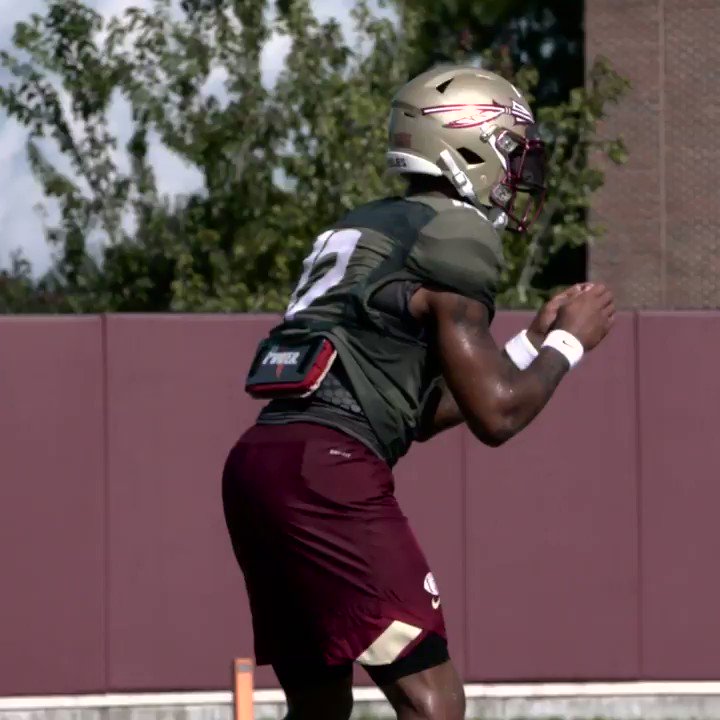
Bobby Bowden and his wife Ann raised six children—four sons and two daughters—while building a family name that has become synonymous with the program.
Their presence on campus and at games created a continuity that extended beyond the win‑loss column.
During Bowden’s 34‑year tenure, he turned a struggling Seminoles squad into a national powerhouse, capturing two national championships.
Throughout that transformation, Ann Bowden was a constant presence by his side,
reinforcing the family atmosphere that many former players still recall.
These two points— the six‑child Bowden family and Ann’s steady involvement during the championship era—provide the primary historical context for today’s game.
The current team’s performance is often measured against the standards set during that period, even as the program evolves.