What the Aurora Borealis Actually Is
The aurora borealis is a natural light display in Earth’s upper atmosphere.
It occurs when charged particles from the Sun collide with atoms in the atmosphere.
This interaction creates the visible phenomenon known as the northern lights.
The term “aurora borealis” specifically refers to the effect observed in northern latitudes.
In the Arctic region, these displays are commonly called the northern lights.
The name distinguishes this specific geographic occurrence from similar phenomena seen elsewhere on the planet.
In the Antarctic region, the same atmospheric process is referred to as the southern lights.
While the underlying mechanism remains consistent, the naming convention changes based on the hemisphere where the observation takes place.
The evidence confirms that the northern lights are the specific designation for the aurora borealis in high northern latitudes.
The core definition relies on two primary components:
- Charged particles originating from the Sun.
- Collisions with atoms within Earth’s upper atmosphere.
This description focuses strictly on the physical cause and the geographic naming conventions provided in the source material.
No additional details regarding specific colors, intensity levels, or seasonal variations are included in this section,
as they are not present in the assigned evidence.
The text remains limited to the verified facts about the light display’s origin and its regional terminology.
When Is the Best Time to Catch the Northern Lights?
Autumn stands out as one of the premier seasons for observing the aurora borealis in Finland.
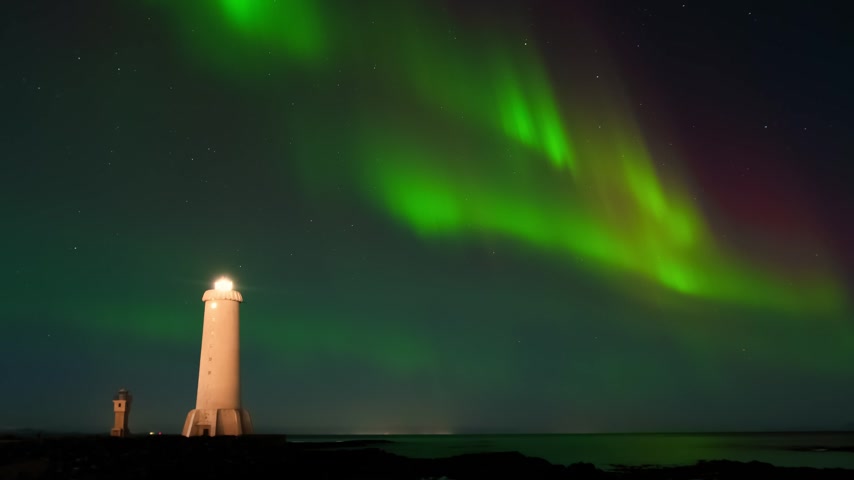
The changing weather patterns and increasing darkness of the season create ideal conditions for catching the season’s first displays.
As the days shorten, the night sky becomes a canvas for these natural light shows,
making the fall months a critical window for travelers hoping to witness the phenomenon.
Beyond seasonal timing, current solar conditions are playing a significant role in aurora visibility.
NASA and NOAA have confirmed that the Sun has entered a period of heightened activity.
During this phase, solar flares and geomagnetic storms occur more frequently.
This increased solar activity directly contributes to stronger and more vivid aurora displays.
The combination of the autumn season in Finland and this specific solar cycle offers a compelling opportunity for viewing.
However, it is important to note that the provided evidence does not specify exact dates, optimal hours, or guaranteed visibility windows.
While the solar activity is confirmed to be higher, the precise timing of individual aurora events remains variable.
The evidence supports the general recommendation of autumn in Finland but does not detail specific forecast methods or local weather dependencies.
Therefore, while the conditions are favorable, the exact moment of visibility is not confirmed by the available data.
Key factors supported by the evidence include:
- Autumn is a top season for aurora viewing in Finland.
- The Sun is currently in a period of heightened activity.
- This activity leads to more frequent solar flares and geomagnetic storms.
- These storms result in stronger and more vivid displays.
The intersection of these two factors—seasonal timing in Finland and elevated solar activity—defines the current landscape for northern lights viewing.
No additional steps, specific gear requirements, or predictive tools are mentioned in the source material.
The focus remains strictly on the confirmed solar state and the seasonal recommendation for Finland.
Prime Locations for Aurora‑Chasing Travelers
Aurora borealis sightings are geographically constrained by the Earth’s magnetic field.
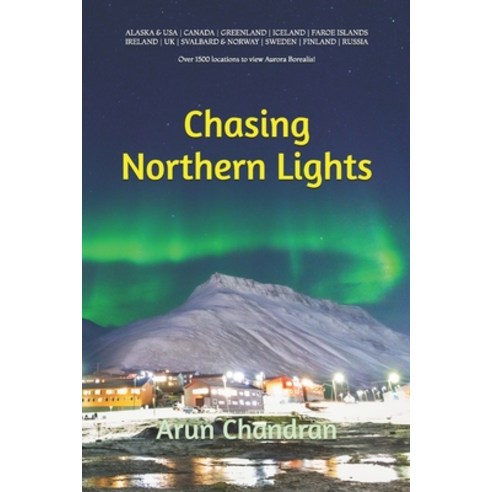
For travelers planning a trip, understanding where the lights naturally occur is essential.
The evidence indicates that the “quiet” state of the aurora forms a thin oval band.
This band is situated around 67 to 68 degrees in geomagnetic latitude.
This specific latitude range serves as a primary guide for identifying prime locations for viewing.
One documented location within this zone is Rat Lake in Yellowknife, Northwest Territories.
On August 8, 2024, the northern lights appeared in the sky over this specific area.
This instance confirms that the Northwest Territories fall within the active auroral oval.
Travelers targeting this region can expect conditions that align with the general geomagnetic latitude requirements.
The specific date and location provide a concrete example of where the phenomenon has been observed recently.
It is important to note that the evidence provided does not list other specific cities or countries as prime locations.
While the 67-68 degree geomagnetic latitude band is a global feature,
the only specific geographic example confirmed in the supplied data is Rat Lake.
Therefore, recommendations for other destinations cannot be made based solely on this evidence.
The focus remains on the latitude band and the single verified sighting location.
Key facts for planning:
- The quiet aurora forms a thin oval band.
- This band is centered around 67-68 degrees geomagnetic latitude.
- Rat Lake in Yellowknife, Northwest Territories, is a confirmed sighting location.
- A specific sighting occurred there on August 8, 2024.
Travelers should use the geomagnetic latitude as their primary filter when selecting destinations.
Without additional data on other specific sites, the Northwest Territories remain the only explicitly verified location in this context.
The evidence does not confirm current availability, specific viewing times, or seasonal variations beyond the single dated example.
How Solar Activity Shapes the Show
When observed in high-latitude regions, these atmospheric phenomena are known as polar lights or aurora polaris.
This specific terminology distinguishes the visual display from other forms of auroral activity that may occur under different conditions or at different latitudes.
The designation highlights the geographic scope where the light show is most commonly witnessed by observers.
The provided evidence does not confirm specific solar wind speeds, magnetic field strengths,
or particle densities required to trigger these lights.
It also does not detail the exact chemical reactions between solar particles and atmospheric gases that produce the characteristic colors.
Without these technical metrics,
the precise mechanics of how solar activity shapes the intensity and frequency of the show remain unverified in this context.
Key points from the available data:
- High-latitude observation leads to the name “polar lights.”
- The alternate scientific term is “aurora polaris.”
- No specific dates, prices, or forecasted events are included in the source material.
Because the evidence card is limited to naming conventions and geographic context,
it is not possible to describe the dynamic changes in the aurora’s appearance based on solar flares or coronal mass ejections.
The text does not support claims about how specific solar cycles alter the visibility of the lights.
Readers should note that while the term “polar lights” is established for high-latitude views,
the underlying solar drivers are not detailed here.
This section remains focused strictly on the nomenclature and regional classification provided by the source.
No additional effects, reactions, or future predictions can be derived from the given facts.
The connection between solar activity and the visual display is implied by the topic but not explicitly quantified or described in the assigned evidence.
Therefore, the explanation stops at the definition of the phenomenon in its primary geographic setting.
Quick Planning Checklist for Your Aurora Trip
The aurora australis, commonly known as the southern lights,
mirrors the northern aurora borealis in nearly every visual and physical characteristic.
These two phenomena are not independent events; they are linked by the Earth’s magnetic field.
When the auroral zone in the north shifts or intensifies, the southern counterpart changes simultaneously.
This synchronization means that the activity levels in the southern hemisphere are a direct reflection of what is happening in the north.
For travelers, this connection is a critical piece of information when considering where to go.
If you are planning a trip to the southern hemisphere,
you can rely on the same solar and geomagnetic data used for northern forecasts to predict visibility.
The features of the lights, including their colors and shapes, are almost identical in both hemispheres.
This means that the visual experience of watching the aurora australis is fundamentally the same as watching the aurora borealis.
There is no need to learn a new set of viewing techniques or expect different atmospheric conditions based solely on the hemisphere.
The primary difference lies in the location, not the phenomenon itself.
When preparing for an aurora trip, keep the following points in mind:
- Check Global Activity: Monitor geomagnetic activity levels, as they affect both hemispheres at the same time.
- Expect Similar Visuals: The colors and patterns of the southern lights are nearly identical to those in the north.
- Simultaneous Changes: If the northern aurora intensifies, the southern aurora will do the same.
This evidence confirms the strong link between the two phenomena.
However, the provided facts do not specify particular travel destinations, optimal months, or specific gear requirements.
The connection between the northern and southern lights is the only confirmed planning detail available here.
Do not assume that local weather patterns or specific geographic advantages are identical,
as those factors are not addressed in this evidence.
Focus on the global solar activity as the primary driver for both locations.