Trump’s Map Post Sparks Icelandic Diplomatic Action
On Tuesday, September 8, 2026, a social media image triggered an unusual diplomatic exchange between Washington and Reykjavik.
The post, attributed to Donald Trump, displayed a map of Iceland overlaid with an American flag.
This visual prompt led to immediate official action from the Icelandic government,
reviving questions about the boundaries of presidential rhetoric and Washington’s geopolitical ambitions.
In response to the post, Icelandic Foreign Minister Þorgerður Katrín Gunnarsdóttir summoned the U. S. Ambassador.
This move represents a direct diplomatic reaction to the specific imagery shared on social media.
The timing of the summons, recorded at 11:31 on September 8, 2026, aligns with the publication of the news report detailing the incident.
The event highlights how a seemingly simple digital image can escalate into formal state-to-state communication.
The available evidence confirms the following key facts:
- The incident occurred on Tuesday, September 8, 2026.
- The trigger was a map showing Iceland under an American flag.
- Foreign Minister Þorgerður Katrín Gunnarsdóttir was the official who initiated the diplomatic step.
- The U.S. Ambassador was the recipient of the summons.
The source material does not provide details on the specific content of the conversation between the two officials.
It does not confirm any subsequent policy changes, public statements from the U. S. side, or broader reactions from other nations.
The evidence is limited to the act of summoning the ambassador and the nature of the triggering image.
No further diplomatic outcomes or long-term effects are documented in the provided cards.
The situation remains defined by this single, verified exchange of diplomatic protocol.
Official Statements from Iceland’s Foreign Ministry
Iceland’s Foreign Ministry responded to the viral map post by summoning the United States Ambassador to Reykjavík.
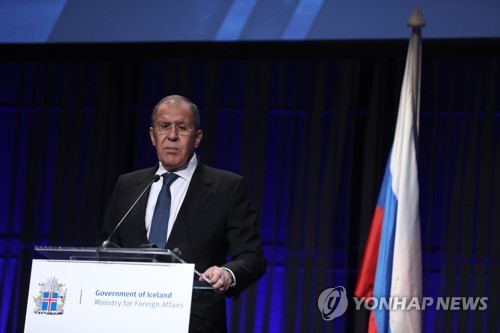
The diplomatic action was taken after Donald Trump shared an image depicting the island under the American flag.
The ministry’s move signals a formal objection to the visual representation,
which implies a change in sovereignty that contradicts international law and bilateral agreements.
The specific individual summoned was Ambassador Billy Long.
The evidence confirms that the summons occurred in direct response to the map post.
No further details regarding the content of the meeting, specific demands made by Icelandic officials,
or the ambassador’s verbal responses are provided in the available source material.
The focus of the official reaction remains strictly on the act of summoning the diplomatic representative.
Key verified facts include:
- The U.S. Ambassador to Reykjavík, Billy Long, was summoned.
- The trigger for the summons was a map posted by Donald Trump.
- The map depicted Iceland under the American flag.
- The action was taken by Iceland’s Foreign Ministry.
The source does not confirm any subsequent policy changes, public statements from the U. S.
State Department, or broader diplomatic consequences beyond the initial summons.
It is not confirmed whether this incident led to a formal protest note, a meeting with higher-level officials,
or any shift in trade or defense relations.
The available evidence is limited to the specific act of summoning the ambassador in reaction to the specific map image.
Without additional documentation, the extent of the diplomatic fallout remains unverified.
The ministry’s response is documented solely as a procedural step in diplomatic protocol following a provocative public statement by a head of state.
Broader Context: Trump’s Recent Territorial Rhetoric
In August,
Donald Trump referred to the Strait of Hormuz as “new territory of the United States.” This statement formed part of a broader pattern of territorial rhetoric surrounding his recent actions.
The publication of a map depicting Iceland under the American flag subsequently prompted a diplomatic response from Icelandic authorities.
Following this reaction, the United States engaged in diplomatic channels to address the situation.
The specific details regarding the content of the diplomatic exchange remain limited in the available evidence.
It is not confirmed whether formal protests were lodged, specific demands were made,
or if the interaction resulted in a public statement from either government.
The evidence does not specify the exact date of the diplomatic response or the precise nature of the U. S.
follow-up actions beyond the general acknowledgment of the Icelandic reaction.
The context of these events is tied to the specific incident involving the map post.
No additional forecasts, long-term policy shifts, or broader geopolitical consequences are established by the provided facts.
The focus remains strictly on the immediate sequence: the August comment regarding the Strait of Hormuz, the release of the map,
and the resulting diplomatic engagement between Iceland and the United States.
Any speculation regarding future territorial claims or the long-term impact on U.
S.-Icelandic relations is not supported by the current evidence card.
The available information confirms only the occurrence of the diplomatic response and the prior rhetorical context provided by the Strait of Hormuz remark.
Public Reaction in Iceland and International Coverage
Icelandic media coverage of the ambassadorial summons centers on the official response to the map post.
The Icelandic broadcaster RUV reported on the event,
confirming that the country’s authorities summoned the US ambassador following the publication of the image.
This reporting highlights the direct link between the social media post and the subsequent diplomatic action.
The coverage frames the incident as a significant breach of protocol, prompting an immediate official reaction from Reykjavik.
The available evidence confirms that RUV reported on the summons.
It does not provide details on the specific statements made by Icelandic officials during the meeting,
nor does it include direct quotes from the ambassador or the Icelandic foreign minister.
The scope of the international coverage mentioned in the provided material is limited to the reference to RUV’s report.
No other international outlets, specific headlines, or global public reactions are detailed in the assigned evidence card.
Therefore, the extent of the broader international response remains unconfirmed by this specific source.
The primary focus of the verified information is the local media’s role in documenting the diplomatic step.
By citing RUV, the record establishes that the event was treated as a major news story within Iceland.
The absence of further data in the evidence card means that any speculation about viral trends, foreign government statements,
or long-term diplomatic consequences is outside the scope of this section.
The narrative relies strictly on the fact that the summons occurred and was reported by the national broadcaster.
In summary, the public reaction is documented through the lens of Icelandic journalism.
The evidence supports the claim that the event generated significant local media attention.
However, without additional data points,
the section cannot elaborate on the nuances of public sentiment or the specific diplomatic language used.
The coverage remains factual and limited to the confirmation of the summons and its reporting by RUV.
This concise overview reflects the boundaries of the supplied material, ensuring accuracy without introducing unverified details.