What the Dow Jones Industrial Average Actually Is
The Dow Jones Industrial Average—often called the Dow or simply DJIA—is a stock market index that tracks the performance of 30 large U. S.
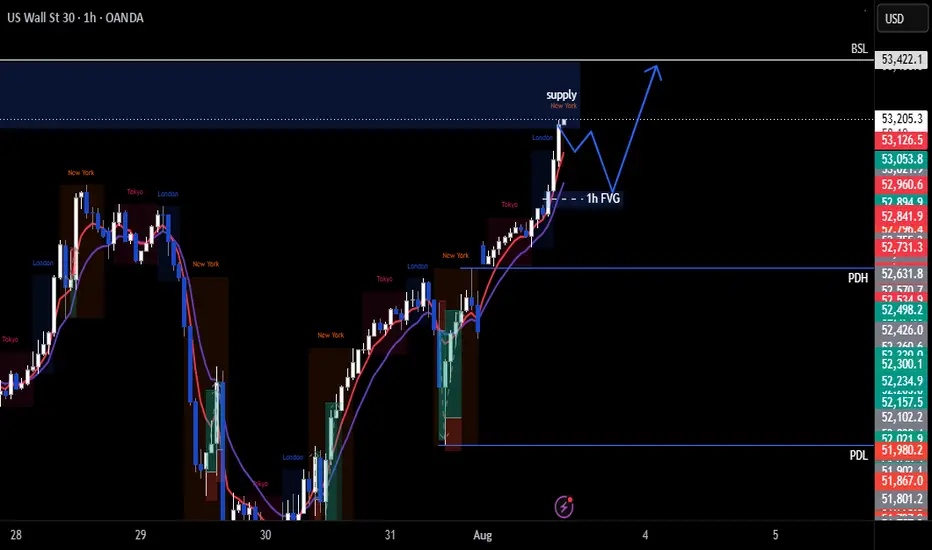
companies listed on American exchanges.
It does not cover every publicly traded firm; instead,
it selects a representative group of major corporations to gauge overall market trends.
The index’s name honors its two creators.
Charles Dow, a pioneering financial journalist, founded the index, and his business associate, statistician Edward Jones,
contributed the methodology that shaped how the index is calculated.
Their partnership gave the Dow its enduring title.
Because the DJIA is limited to just 30 stocks, each component carries significant weight in the index’s movement.
Changes in any of these companies—whether a price rise or fall—can noticeably shift the Dow’s level,
making it a concise barometer of large‑cap U.
S. equity performance.
A Quick History: From 14 Stocks to Today’s 30
The history of the Dow Jones Industrial Average begins with a smaller, more focused group of companies.
In 1884, Charles Dow created his first stock average. This initial index featured 11 stocks. The majority of these companies were railroads.
This specific group later evolved into what is now known as the Dow Jones Transportation Average.
Just one year later, the index expanded significantly.
On February 16, 1885, the Dow Jones Average, often abbreviated as the DJA, officially launched.
At its inception, this new index consisted of 14 stocks.
This marked a distinct step from the earlier 11-stock transportation-focused average.
The 1885 launch represents the foundational moment for the industrial average that exists today.
The evidence provided confirms only these two specific starting points in the index’s history.
It does not detail the specific names of the 11 or 14 companies included in those early years.
Nor does it explain the criteria used to select these initial stocks beyond the general note that the 1884 group was mostly railroads.
The transition from the 14-stock index of 1885 to the 30-stock index of the modern era is not described in the supplied facts.
Consequently, the intermediate steps, methodological changes,
or specific dates of expansion between 1885 and the present day are not confirmed by this evidence.
The focus remains strictly on the verified origins: the 1884 creation of the 11-stock average and the 1885 launch of the 14-stock DJA.
Why the Dow Moved Yesterday: Key Drivers
The Dow Jones Industrial Average experienced a significant decline, dropping 576 points, which represents a 1. 1% loss.
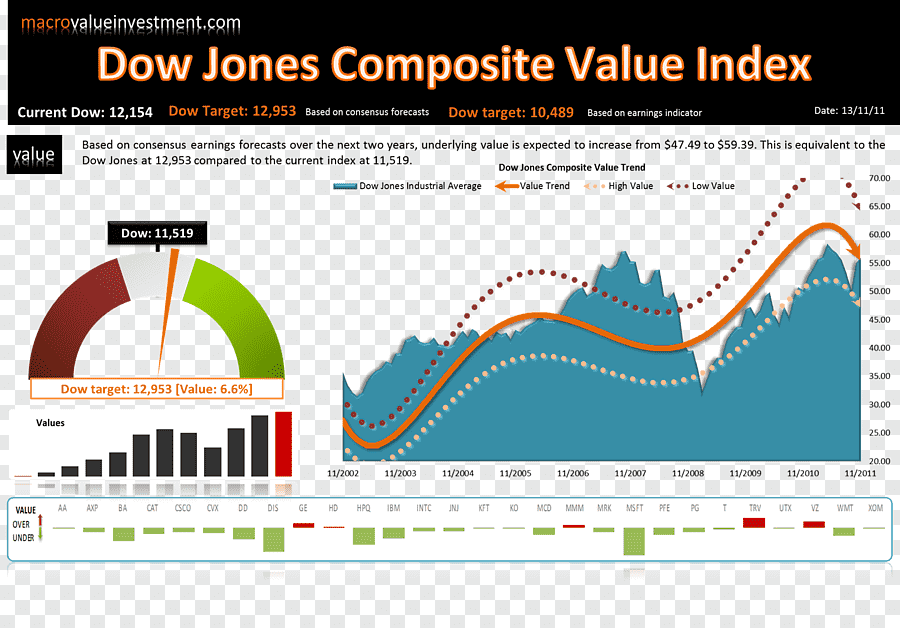
This movement occurred in a market environment where oil prices rose and global stocks generally fell.
The catalyst for this shift was reported statements from President Trump indicating that the ceasefire with Iran was “over.” While the Dow retreated, the Nasdaq composite index moved in the opposite direction, rising 0.
2% after erasing an early loss. This divergence highlights how different sectors reacted to the geopolitical news and shifting energy costs.
In extended trading, Dow Jones Industrial Average futures slid around 400 points.
This pre-market movement suggests continued investor caution ahead of the official open.
The evidence provided does not confirm specific sector-level details beyond the broad index movements,
nor does it specify the exact date of the trading session for the 576-point drop, though one source is dated September 8, 2026.
The primary drivers remain the geopolitical tension regarding Iran and the subsequent impact on oil prices.
No other specific economic data releases or corporate earnings are cited as contributing factors in the available evidence.
The market’s reaction was swift, with the Nasdaq managing to close positive despite the broader risk-off sentiment affecting the Dow.
The contrast between the two major indices underscores the complexity of the trading day,
where defensive or tech-heavy stocks performed differently than the industrial-heavy Dow.
Investors are watching how these geopolitical developments continue to influence energy costs and broader market sentiment in the coming sessions.
The lack of confirmed details on other potential drivers means the focus remains on the Iran-related news and its immediate effect on equity and commodity markets.
Investors’ Playbook: Strategies for a Volatile Dow
The Dow Jones Industrial Average recently recorded its fifth consecutive weekly loss.
This sustained decline reflects a broader market shift where investors are losing patience with the ongoing conflict in Iran.
The primary driver of this volatility is the geopolitical uncertainty surrounding the war.
Market participants are reacting to the prolonged nature of the conflict, which has eroded confidence in near-term stability.
The evidence provided does not specify exact point changes, percentage drops, or specific dates for these weekly losses.
It also does not detail which specific sectors within the Dow led the decline or if individual stocks were singled out for criticism.
The focus remains strictly on the index’s overall performance and the general sentiment of investors.
Given this context, the available data supports a limited set of observations rather than a comprehensive strategic playbook.
There is no confirmed information regarding specific asset allocation shifts, hedging techniques,
or portfolio rebalancing actions taken by major institutional investors during this period.
The text does not confirm any new financial products, regulatory changes,
or corporate earnings reports that directly influenced the Dow’s trajectory during these five weeks.
Consequently,
any discussion of specific investment strategies must be framed by the absence of detailed tactical data in the source material.
The core fact remains that the index fell for five straight weeks due to investor frustration with the Iran war.
Without further evidence on specific market mechanics or investor behavior beyond this general sentiment,
detailed strategic recommendations cannot be substantiated.
The situation highlights a market in a state of defensive waiting,
but the specific tools or methods used by investors to navigate this volatility are not documented in the provided evidence.
What to Watch Next: Signals That Could Shift the Dow
The Dow Jones Industrial Average is not a static list of stocks. It is an actively managed index maintained by S&P Dow Jones Indices.
The specific companies that make up the index are not chosen by algorithm or market capitalization alone.
Instead, a dedicated committee selects the components.
This governance structure is the primary signal to watch for future shifts in the index.
Because a human committee makes these decisions, changes to the Dow’s composition are deliberate and reviewed.
Investors looking for signals that could shift the Dow should monitor the criteria and actions of this committee.
The selection process determines which companies represent the industrial sector in the index.
When the committee decides to add or remove a stock, it directly alters the calculation of the average.
This makes the committee’s decisions a key variable for anyone tracking the index’s performance.
The evidence provided confirms only the maintenance and selection method.
It does not specify the exact criteria the committee uses, such as liquidity, sector representation, or market cap thresholds.
It does not list current or past component changes. It does not provide dates for recent or upcoming reviews.
It does not describe the committee’s size, meeting frequency, or voting process.
It does not offer forecasts on which companies might be added or removed next.
Therefore, the only confirmed signal is the existence of this committee-based selection process.
Any speculation about specific stock swaps, timing of changes,
or the impact of recent economic data on the committee’s decisions is not supported by the provided evidence.
Readers should rely solely on the fact that S&P Dow Jones Indices maintains the index and that a committee selects its components.
Without additional data on the committee’s specific actions or criteria,
no further predictions or detailed analyses can be made based on this evidence card.